Craving a small-town pace without losing touch with the New York metro? If you picture weekends at orchards, a walkable village, and easy access to lakes and trails, Warwick, NY may be on your shortlist. You want space and community, but you still need a reasonable commute and everyday convenience. This guide breaks down what daily life looks like, from neighborhoods and schools to transit, recreation, and practical costs. Let’s dive in.
Where Warwick sits and how it feels
Warwick sits in southwest Orange County in the Hudson Valley, right near the New Jersey border. You are still within the New York–Newark–Jersey City region, yet the landscape shifts to farms, forests, and rolling hills. The town includes the Village of Warwick and several hamlets like Florida, Greenwood Lake, Pine Island, and Bellvale. The vibe blends historic village charm with rural living, plus four true seasons.
Village vs. rural living
Village of Warwick: walkable and lively
If you want a classic small-town center, the Village of Warwick offers tree-lined streets and a compact downtown. You will find older homes, many from the 19th and early 20th century, often on smaller lots. Day to day, you can walk to cafes, restaurants, boutiques, and services, with more dining and evening options than in the outlying areas. Parts of the village have municipal water and sewer, and higher-speed cable internet is more available in denser corridors.
Hamlets and rural areas: space and quiet
If you prefer more land, the hamlets and rural parcels deliver larger lots and privacy. Typical properties include single-family homes set back from the road, newer subdivisions on rural parcels, and farms or horse properties. Plan on driving for groceries, errands, and most services, and enjoy dark skies and quiet nights. Many homes use well and septic systems, and broadband options vary; some roads have cable while others rely on DSL, fixed wireless, or satellite.
Housing patterns and who buys here
Buyers often choose Warwick for extra space, lower density than northern New Jersey, and outdoor amenities. You will see a mix of full-time residents who commute to North Jersey or the city, families who value local school offerings, second-home buyers from NYC, and retirees. Smaller village homes and condos tend to be more affordable, while larger rural estates, acreage, and renovated properties command premiums. If a specific price point matters, expect to compare property types rather than assume one uniform market.
Commuting and getting around
Car-first reality
Most residents drive. Local state routes connect you to I-287, I-84, and NY-17 after a short drive. Commutes vary widely by destination and traffic, but expect roughly 60 to 90 minutes or more to reach Midtown Manhattan. Trips to many North Jersey job centers are shorter.
Trains and buses without a one-seat ride
Warwick does not have a direct train station to Manhattan. Many commuters drive to nearby park-and-ride lots or to rail stations on the Port Jervis line or in Bergen and Passaic counties. Regional coach buses serve Port Authority and other NYC terminals, with schedules that change by season and demand. If you require a daily, quick door-to-platform train, a Metro-North town may fit better; if you go to the city occasionally, the trade-off for space can make sense.
Local transit basics
Rideshare and taxi services exist but are not as dense as suburban NYC. There are regional bus lines and limited local shuttle options. In daily life, you will rely on your car for most trips.
Schools and essential services
Public school districts
A large portion of the town is served by Warwick Valley Central School District. The Greenwood Lake area is served by Greenwood Lake UFSD. Families often look at program variety, from academics to arts and athletics, and some consider commuting to nearby private schools. For the most current metrics, review official district and state education reports when you narrow your search.
Healthcare and emergency services
You will find primary care and urgent care options in the village. Full-service hospital care is available in Middletown, with additional regional hospitals in western Rockland and northern New Jersey. Police, volunteer fire departments, and municipal services cover the town and village, though response times can be longer on remote rural parcels.
Food, farms, and fun
Dining and shopping
Downtown Warwick offers a concentrated mix of restaurants, coffee shops, bakeries, and small-town retail. Expect boutiques, antique shops, and home stores rather than big-box retailers. For larger shopping trips, you will drive to nearby towns and major corridors.
Farms, orchards, and seasonal events
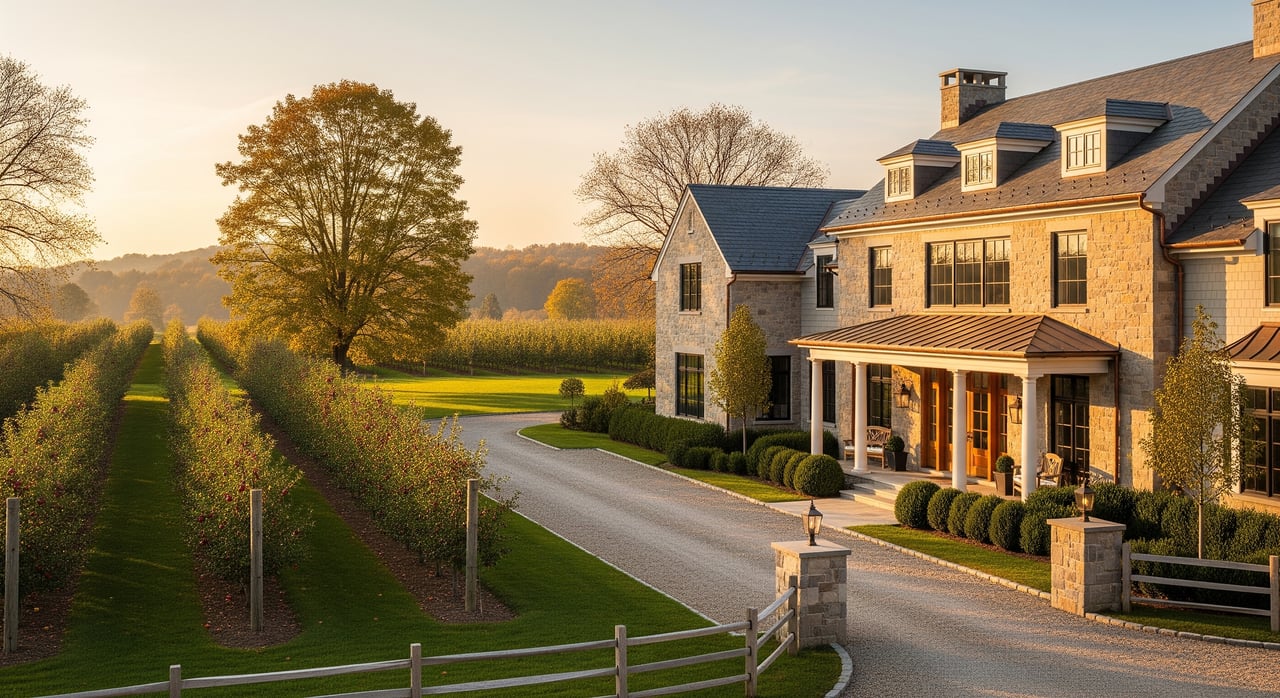
Warwick Valley is known for apple orchards, pick-your-own farms, pumpkin patches, and local wineries and cideries. Weekends bring visitors from the city and New Jersey, especially during fall harvest season. Applefest in October is a major community event that highlights the town’s agricultural roots.
Outdoor recreation by season
Spring and summer bring hiking, biking, fishing, and boating on Greenwood Lake, plus farmers markets and outdoor festivals. Fall is peak for leaf-peeping and apple picking across the valley. In winter, Mount Peter Ski Area offers a local spot for skiing and tubing, and you can find cross-country ski and snowshoe options on area trails. Year-round, you have access to Sterling Forest and Harriman State Park for extensive trail systems.
Practical considerations
Property taxes and ownership costs
Property taxes reflect school district levies and local municipal taxes. Large-lot rural properties still pay school taxes similar to the area. Ask for the most recent tax bill on any home you consider, and compare it to your current costs so you have a clear picture.
Utilities and broadband
Parts of the village have municipal water and sewer, while many rural homes run on well and septic. Confirm system age and maintenance during inspection. Internet access is address specific: some corridors have cable, others rely on DSL, fixed wireless, or satellite. If you work from home, verify speeds and providers for the exact address before you make an offer.
Zoning, land use, and farm operations
Warwick’s zoning supports residential, agricultural, and conservation uses. If you plan to add an accessory structure, start a small farm use, or purchase larger acreage, review town zoning rules and any conservation easements. In many parts of town, active farms and seasonal events are nearby, so expect tractors on the road and weekend agritourism traffic during peak season.
Insurance, weather, and maintenance
You will experience all four seasons, including snowy winters. Budget for snow removal and winter upkeep if you have a long driveway or private road. If you are considering a creek-side, river, or lake-adjacent property, review FEMA flood maps and discuss risk with your insurer. Maintenance needs can be higher on larger rural lots, so factor in time or vendor costs.
Is Warwick a fit for you?
Warwick makes sense if you are seeking a quieter lifestyle within reach of the New York metro. You get a historic village, real agricultural roots, and easy access to lakes and trail systems. If you want space, community events, and flexible access to the city, it is a strong match. If you require daily, rapid rail to Manhattan or step-out-the-door big-box shopping, another town may fit better.
Consider Warwick if you:
- Want a walkable village core or a rural lot with room to breathe.
- Value seasonal festivals, local farms, and four-season outdoor recreation.
- Can drive for most errands and are comfortable with a car-based commute.
- Appreciate the trade-off of more space in exchange for less direct rail access.
Think twice if you:
- Need a daily, one-seat train into Manhattan with a short platform commute.
- Prefer dense nightlife or big-box shopping within minutes of home.
- Do not want to manage well and septic or winter maintenance on a larger lot.
Ready to explore homes?
If Warwick is on your radar, you deserve a guide who knows the village blocks, the lake communities, and the rural roads. Our family-led team pairs local knowledge with a marketing-first approach to help you compare neighborhoods and make a confident move. When you are ready to see homes or talk through timing and budget, reach out to Mark Werner for a friendly, no-pressure game plan.
FAQs
How long is the commute from Warwick to NYC?
- Expect about 60 to 90 minutes or more to Midtown by car, depending on route and traffic; many residents also combine park-and-ride options with regional rail or bus.
Does Warwick have direct train service to Manhattan?
- No, there is no one-seat ride; commuters typically drive to nearby rail stations or use regional coach buses to reach Port Authority and other NYC terminals.
What types of homes are common in Warwick?
- In the village, you will find older homes and some multi-family on smaller lots; in rural areas, you will see single-family homes on larger parcels, farms, and newer subdivisions.
What should I know about utilities and internet in Warwick?
- Parts of the village have municipal water and sewer; many rural homes use well and septic, and internet options range from cable in some corridors to DSL, fixed wireless, or satellite.
How are public schools organized in Warwick?
- Most of the town is served by Warwick Valley Central School District, while the Greenwood Lake area is served by Greenwood Lake UFSD; review official reports for current program details.
What are the top recreation highlights in Warwick?
- Greenwood Lake for boating, Sterling Forest and Harriman State Park for trails, seasonal farms and Applefest in fall, and Mount Peter Ski Area for local winter fun.